
New vs. Used Vehicles: Which Is the Better Value?
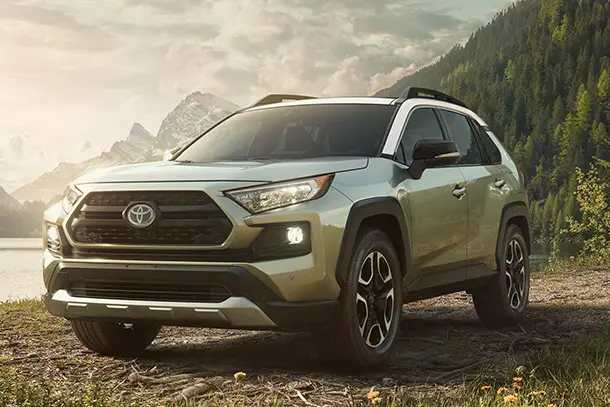
When you’re in the market for a car, truck, or SUV, one of the biggest questions you’ll face is whether to go with a brand-new vehicle or a quality pre-owned model. Brand-new cars have an undeniable pull: that fresh car smell, pristine paint, zero miles on the odometer, and the peace of mind that comes with a full factory warranty.
However, smart car buyers know that sticker price is only part of the equation. When you look at total cost of ownership, long-term financial impact, and overall value, the math heavily favors buying pre-owned.
Let's dive into how new and used vehicles stack up across the key factors that determine real value.
1. The Steep Cost of Initial Depreciation
The moment a brand-new vehicle leaves the dealership lot, it experiences its single biggest loss in value.
- New Vehicles: On average, a new car loses about 10% to 20% of its value in the first year alone. By year three, many new cars have depreciated by as much as 40% to 50%. You pay top dollar for those initial miles, but you absorb a massive financial hit right out of the gate.
- Pre-Owned Vehicles: When you buy a used vehicle, especially one that is two to four years old, the previous owner absorbs that initial depreciation hit for you. The depreciation curve flattens out significantly, meaning your vehicle retains its purchase value much better over time. If you decide to sell or trade it in a few years later, you won't face nearly as drastic a drop in value.
2. Getting More Vehicle for Your Money
Buying pre-owned stretches your buying power significantly further than buying new.
If you have a fixed budget, say $25,000, a new car lineup might limit you to a base-model compact sedan with basic cloth seats, standard audio, and minimal trim options.
In the pre-owned market, that exact same $25,000 opens up a world of possibilities:
- Upper-tier trim levels, such as leather seats, sunroofs, or premium sound systems.
- Mid-size or full-size SUVs and trucks that would be out of reach as new models.
- Premium luxury brands that have already taken their main depreciation hit.
Instead of settling for less, buying pre-owned allows you to step into a higher class of vehicle with better features and comfort.
3. Insurance Costs and Registration Fees
The sticker price isn't the only bill you’ll pay when buying a vehicle. Ongoing ownership costs can vary drastically depending on whether your vehicle is new or used.
- Insurance Premiums: Auto insurance rates are based primarily on the replacement value of the vehicle. Because used vehicles carry a lower market value than brand-new counterparts, they are generally less expensive to insure, saving you hundreds of dollars each year.
- Registration & Taxes: In many states, vehicle registration and annual property taxes are calculated based on the car's current market value or model year. A pre-owned vehicle keeps these recurring fees noticeably lower.
4. Closing the Reliability and Technology Gap
A common concern about buying pre-owned is reliability: Will I inherit someone else's mechanical headaches?
Modern automotive engineering has changed that dynamic entirely. Vehicles manufactured over the last decade are built to last far longer than those of previous generations. It is now common for well-maintained modern vehicles to easily surpass 150,000 to 200,000 miles without major powertrain failures.
Furthermore, tech features don't age as quickly as they used to. A three-year-old pre-owned vehicle often includes the exact same core features found on brand-new models, including:
- Apple CarPlay® and Android Auto™
- Blind-spot monitoring and lane-keep assist
- Adaptive cruise control and emergency braking systems
- Backup cameras and touchscreen displays
You get access to modern tech and active safety features without paying the new-car markup.
The Verdict: Pre-Owned Delivers Real Financial Value
While brand-new cars have their place for buyers who insist on custom ordering or zero previous miles, a quality pre-owned vehicle is undeniably the smarter financial move for most drivers:
- Upfront Price: New vehicles command premium pricing, whereas pre-owned models come in significantly lower.
- Depreciation: New cars lose up to 20% in Year 1, while pre-owned vehicles experience minimal depreciation since the first owner absorbed the hit.
- Insurance Costs: Used vehicles come with lower recurring monthly premiums compared to high replacement-value new cars.
- Buying Power: A new budget limits you to smaller cars or base trims, while a pre-owned budget grants access to higher trims, SUVs, and luxury builds.
You avoid the sharpest edge of depreciation, keep insurance costs manageable, and get significantly more feature-rich transportation for every dollar spent.
At Clement Pre-Owned, we make choosing a pre-owned vehicle easy and worry-free. Every vehicle on our lot undergoes a rigorous multi-point inspection to ensure top-tier safety and mechanical reliability.


