
How Often Should You Get Your Car Serviced? A Complete Guide to Vehicle Maintenance
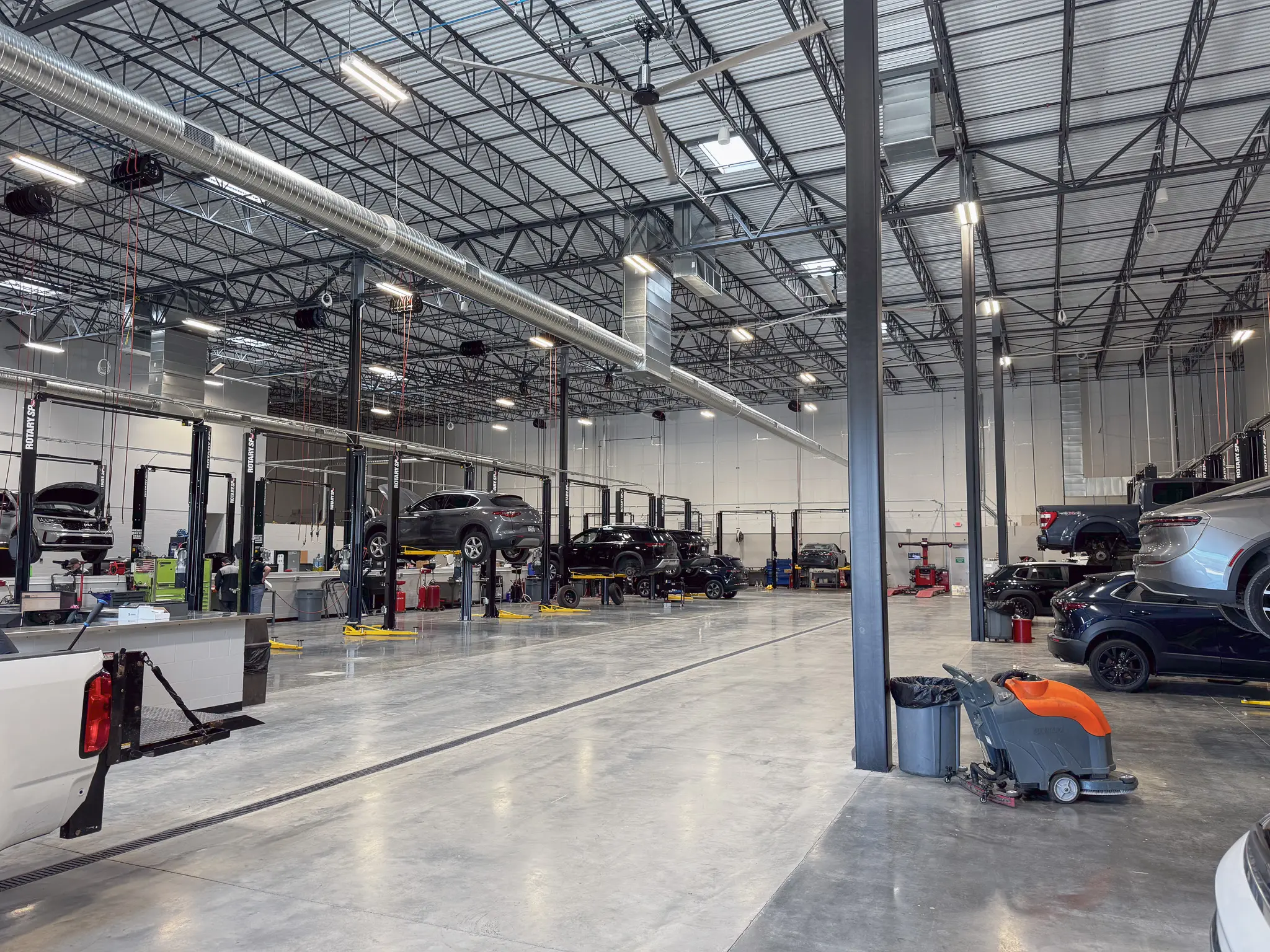
Taking care of your vehicle is one of the smartest financial decisions you can make as a car owner. Routine maintenance protects your investment, keeps you safe on the road, and helps you avoid costly unexpected repairs down the line. Whether you just purchased a quality vehicle from Clement Pre-Owned or have been driving your current vehicle for years, understanding your car's service timeline is essential.
Many drivers wonder about the ideal maintenance schedule. Is the old rule of getting an oil change every 3,000 miles still accurate, or have modern engine technologies changed the game? Here is a breakdown of how often you should get your car serviced and what key tasks should be performed at each milestone.
The Standard Service Intervals: A General Timeline
While every vehicle manufacturer provides a tailored schedule in the owner manual, most cars follow a predictable routine based on mileage and time.
Every 5,000 to 7,500 Miles (Or Every 6 Months)
This short-interval service forms the foundation of basic vehicle care. Modern synthetic engine oils allow most vehicles to travel between 5,000 and 7,500 miles between oil changes, though conventional oil may still require shorter intervals around 3,000 to 5,000 miles.
During this standard visit, a certified technician will replace your engine oil and oil filter, rotate your tires to ensure even tread wear, and top off essential vehicle fluids such as windshield washer fluid, coolant, and power steering fluid. A quick visual inspection of the wiper blades, tire pressure, and exterior lights is usually included to keep your daily commutes safe.
Every 15,000 to 30,000 Miles (Or Every 1 to 2 Years)
Once your vehicle hits these intermediate milestones, service visits become slightly more comprehensive. Cabin and engine air filters gradually accumulate dust, pollen, and road debris, reducing engine performance and cabin air quality. Replacing these filters every 15,000 to 30,000 miles restores airflow and keeps your engine running efficiently.
Technicians will also perform a thorough inspection of your braking system, including brake pads, rotors, lines, and brake fluid. Suspension components, steering linkage, and the exhaust system are also checked for wear or damage.
Every 60,000 to 100,000 Miles (Or Every 5 to 7 Years)
Major service milestones occur as your vehicle accumulates higher mileage. Around the 60,000 to 100,000-mile mark, key mechanical components reach the end of their original design life. Standard service tasks at this stage include replacing spark plugs, flushing transmission fluid, renewing engine coolant, and inspecting or replacing drive belts and timing belts.
Addressing these major items on schedule prevents severe mechanical failures, such as snapped timing belts or overheating engines, which can cause significant damage.
Key Factors That Influence Your Service Schedule
Not all driving conditions are created equal. The recommended intervals provided by manufacturers assume ideal driving conditions, but real-world habits often demand a more aggressive service schedule.
Severe Driving Conditions
If your daily routine involves frequent stop-and-go city traffic, short trips under five miles, towing heavy loads, or driving in extreme temperatures, your vehicle operates under what manufacturers class as severe driving conditions. Under these circumstances, fluids break down faster and mechanical parts experience greater friction. You should aim to shorten your service intervals by roughly 20% to 30% to account for this added stress.
Driving Habits and Climate
Freezing winter temperatures, intense summer heat, and dusty rural roads all impact your vehicle performance. Cold weather strains your battery, while hot weather accelerates fluid evaporation and degradation. Paying attention to seasonal changes in your local area ensures your vehicle stays prepared for whatever weather lies ahead.
Crucial Maintenance Tasks You Should Never Skip
Certain maintenance items play a massive role in safety, vehicle reliability, and resale value.
Regular Oil and Filter Changes
Engine oil lubricates moving parts, reduces friction, absorbs heat, and carries away contaminants. Skipping oil changes causes sludge buildup, which can starve the engine of lubrication and lead to catastrophic engine failure.
Tire Maintenance and Alignment
Tires are your vehicle's only point of contact with the road. Regular rotations ensure balanced tread wear across all four wheels, extending tire lifespan and maximizing traction. Checking tire pressure monthly and aligning your wheels annually prevents uneven wear and improves fuel economy.
Brake System Inspections
Brake pads naturally wear down over time due to friction. Inspecting brake pads and rotors regularly guarantees responsive stopping power. Replacing worn pads early prevents damage to expensive brake rotors.
Keep Your Vehicle Running Great with Clement Pre-Owned
At Clement Pre-Owned, we believe that buying a vehicle is just the start of a great ownership experience. Keeping up with regular service appointments is the single best way to preserve your vehicle's performance, safety, and long-term value.
Whether you need a quick routine inspection, an oil change, or comprehensive major maintenance, our experienced automotive service experts are here to help. Contact the team at Clement Pre-Owned today to schedule your next service appointment and enjoy total peace of mind on every drive.


