
How Four-Wheel Drive and All-Wheel Drive Differ
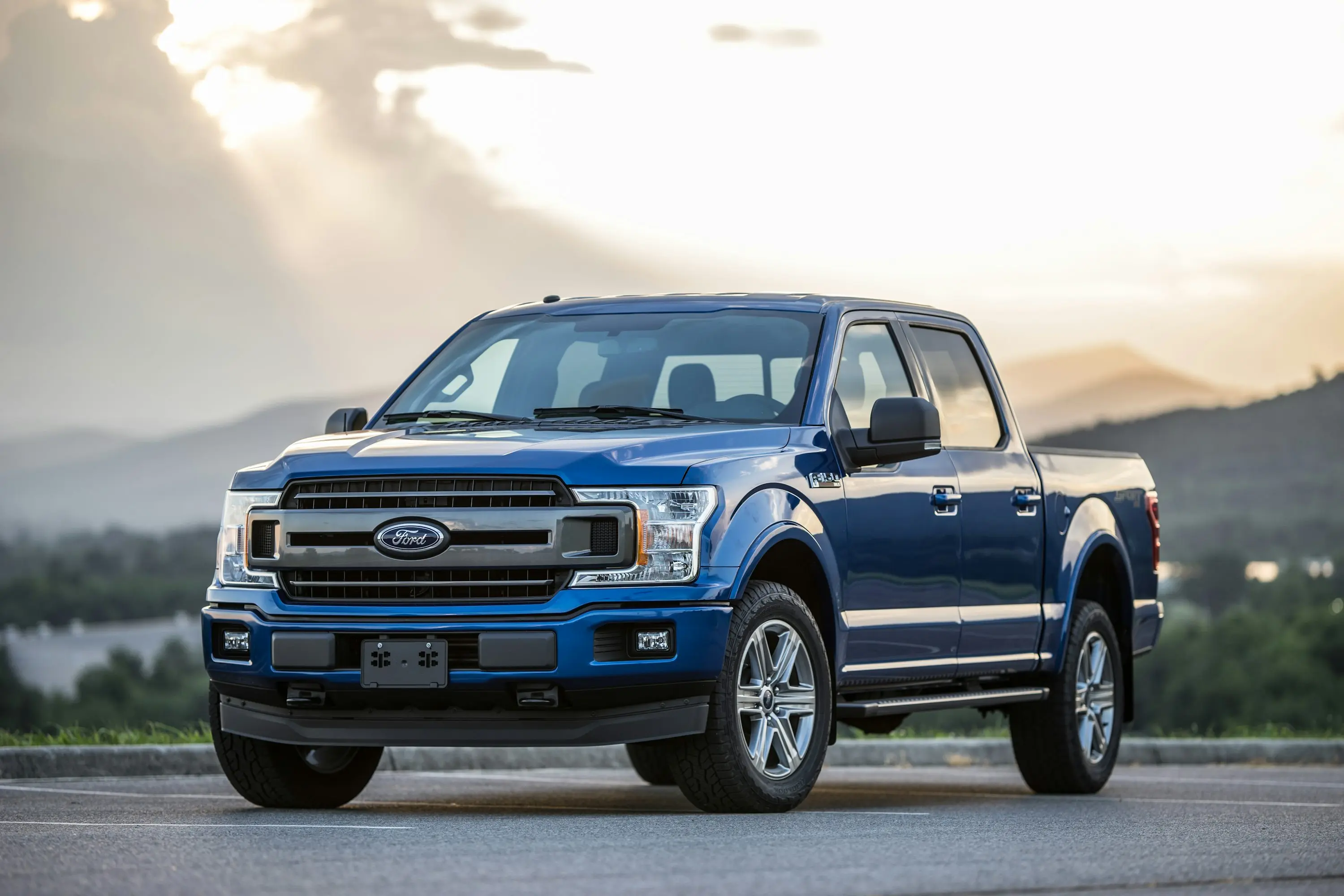
When shopping for a pre-owned vehicle, navigating the technical specifications can sometimes feel overwhelming. Two terms that frequently cause confusion among buyers are All-Wheel Drive and Four-Wheel Drive. While both systems deliver power to all four tires to improve traction, they operate quite differently and serve distinct driving needs. At Clement Pre-Owned, we believe that understanding these key mechanical differences will help you select the ideal vehicle for your lifestyle, budget, and local road conditions.
What Is All-Wheel Drive?
All-Wheel Drive, commonly abbreviated as AWD, is a system designed primarily to enhance traction on slippery roads, during rainstorms, or through light snow. In an all-wheel drive vehicle, power is automatically distributed to all four wheels without requiring any intervention from the driver.
Modern all-wheel drive systems rely heavily on advanced electronic sensors and computer modules. These sensors continuously monitor wheel speed, throttle position, and steering angles. Under normal driving conditions on dry pavement, many systems send most of the engine power to either the front or rear wheels to conserve fuel. However, the moment the system detects that a tire is losing grip or slipping, it instantaneously routes power to the wheels with the most traction.
There are two primary types of all-wheel drive. Full-time systems keep all four wheels continuously engaged at all times, adjusting the power balance dynamically between the front and rear axles. Part-time or automatic systems operate in two-wheel drive during standard conditions and only engage the remaining two wheels when wheel slip occurs. The primary advantage of all-wheel drive is its seamless operation. You never have to flip a switch or decide when to turn it on, making it a stress-free option for daily commuting.
What Is Four-Wheel Drive?
Four-Wheel Drive, often referred to as 4WD or 4x4, is a more rugged, mechanically robust system engineered for demanding conditions and severe off-road terrain. Unlike most all-wheel drive systems, traditional four-wheel drive is typically locked into a fixed fifty-fifty power distribution between the front and rear axles when engaged.
Most four-wheel drive vehicles operate primarily in two-wheel drive mode during normal daily driving on dry roads. When conditions become challenging, such as deep mud, steep rocky inclines, or heavy unplowed snow, the driver manually engages the system using a physical lever, a dial, or a button on the dashboard.
Additionally, four-wheel drive systems usually feature two distinct gear settings known as High Range and Low Range. High Range is meant for driving at moderate speeds on slick or loose surfaces like packed snow or gravel roads. Low Range provides extreme gear reduction, generating maximum low-speed torque to pull a vehicle through deep mud, over boulders, or up steep grades. Because four-wheel drive locks the front and rear driveshafts together, it should not be used on dry, firm pavement, as doing so can cause severe mechanical strain and tire damage.
Key Differences and Considerations
Choosing between all-wheel drive and four-wheel drive comes down to how and where you plan to drive your pre-owned vehicle. Evaluating a few core factors will make your decision clear.
Daily Convenience and Operation
All-Wheel Drive offers effortless, set-it-and-forget-it convenience. Because the onboard computers handle every adjustment automatically, you get instant stability when encountering unexpected ice patches or sudden downpours. Four-Wheel Drive requires active driver involvement. You must recognize when terrain demands extra traction, manually engage the system, and remember to turn it off once you return to paved surfaces.
Terrain and Capability
If your driving consists of highway commutes, suburban errands, and occasional winter weather, all-wheel drive provides more than enough capability to keep you safe and grounded. On the other hand, if you plan to go deep off-road, tackle rugged wilderness trails, or haul heavy trailers over uneven ground, four-wheel drive is essential. Its mechanical locking capability and low-range gears provide unmatched power in extreme scenarios.
Fuel Efficiency and Maintenance
Because all-wheel drive systems add weight and mechanical resistance, they generally consume slightly more fuel than two-wheel drive equivalents, though modern electronic management has narrowed this gap significantly. Four-Wheel Drive vehicles tend to be heavier and feature larger drivetrain components, which typically results in lower fuel economy. Maintenance requirements also differ, as four-wheel drive systems involve transfer cases and specialized differentials that require periodic fluid service.
Find Your Ideal Vehicle at Clement Pre-Owned
Whether you need the versatile, seamless traction of an all-wheel drive crossover or the uncompromising ruggedness of a four-wheel drive truck or SUV, Clement Pre-Owned is here to guide you. Our extensive inventory includes a wide variety of thoroughly inspected pre-owned vehicles equipped with both drive systems. Visit our dealership today to test drive your options and let our knowledgeable team help you drive home in the perfect vehicle for your journey.


